Jan 15 : Wikipedia turns 21.

Wikipedia has its detractors.  It is considered not a reliable source of information.  Yet, few would disagree that it is the most ‘go-to’ site for information seekers on the internet.
It is the world’s 13th most visited site offering more than 58 million articles in 325 languages.  It has 300,000 active editors and nearly a 100 million registered users.

It was On This Day, January 15, 2001, Wikipedia was born, as part of Nupedia.com, founded a year ago by American entrepreneur Jimmy Wales with Larry Sanger as its Chief Editor.  Nupedia was a conventional online encyclopaedia, authored by experts and with a lengthy review process.  By January 2001, Nupedia had hosted less than two dozen articles.
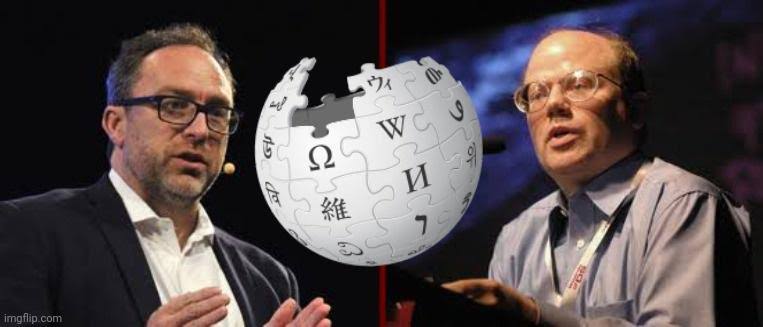
The slow pace of content creation worried Sanger who advovated supplementing Nupedia with an open-source encyclopaedia based on Wiki software, which enabled anyone to edit a web page. The Wiki software takes its name from the Hawaiian word for ‘quick’ of ‘fast’.
 

Wales agreed, and within a week, on 15th January 2001, Nupedia posted its first wiki page. The Nupedia team, made up of experts and researchers was not amused.  They objected to the idea of opening up the project to the general public, fearing questionable information getting mingled with professionally researched and edited material.  Subsequently, Wikipedia was launched as a separate website after a few days.

In its first year Wikipedia expanded to some 20,000 articles in 18 languages, including French, German, Polish, Dutch, Hebrew, Chinese, and Esperanto.  By the time of its 10th anniversary, it had surpassed 3.5 million. Rest is history.

Wikipedia has had its share of problems and faced severe criticism from scholars and educators. It is true that not all users are scrupulous about providing accurate information. At times there are deliberate attempts to deface particular articles, which of course are corrected by Wiki editors over a period of time.
 

While researchers still need to rely on authentic sources of information, either through online sources or visiting established libraries, for a common information seeker, Wikipedia just serves the purpose.  

Thank You Wales ! Thank You Sanger !

MD/BPost/VIII.
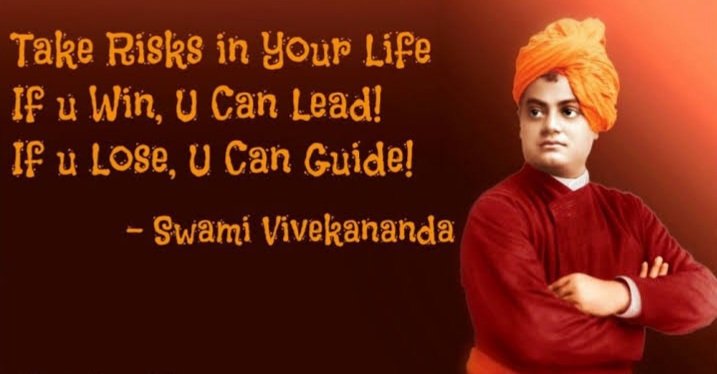
 

Jan 12 : Swami Vivekananda and his message to the youth


Little Biley, born to a learned lawyer father Vishwanath Dutta and devout home-maker mother Bhuvaneswari Devi in Calcutta on the 12th of January, 1863, was a naughty kid who was hard to manage in his early childhood days.

His extraordinary restlessness which at times went beyond control, made his mother say, “I prayed to Shiva for a son and He has sent me one of His demons”.

When this boy, who is also known to the world as Narendranath Dutta, started attending school at the age of seven, he displayed exceptional intelligence.

As Narendranath grew older, a definite change in his temperament became noticeable. He showed a preference for intellectual pursuits.

Meditation was a constant in his life. Narendranath who came to be known as Swami Vivekananda stressed on practising meditation as it increases the power of mind “Meditation is a sort of prayer and prayer is meditation. The highest meditation is to think of nothing. If you can remain one moment without thought, great power will come” he said.

Vivekananda denounced bookish knowledge and information-gathering in the name of education and called for a “life-building, character-forming assimilation of ideas”.

He urged youngsters to play games more often than reading spiritual books. He had said, “You will be nearer to heaven playing football than through the study of Gita”. Swamiji’s message underlined the importance of sports and fitness in character building, instilling team spirit, optimistic attitude and build self confidence.

Swami Vivekananda said, “Strength is life, weakness is death”. Youngsters with strength of character will bring about progress of a nation in the future.

Swamiji’s teachings and thoughts are a guiding light for the youth. His famous message – “Arise, Awake and Stop Not Till the Goal is Reached” remains a clarion call for all times to come.

(Contributed by Sriyanka Chatterjee, PIB Mumbai)

MD/BPost/VII

Jan 10 : Centenary of Chhatrapati Shivaji Maharaj Museum in Mumbai.

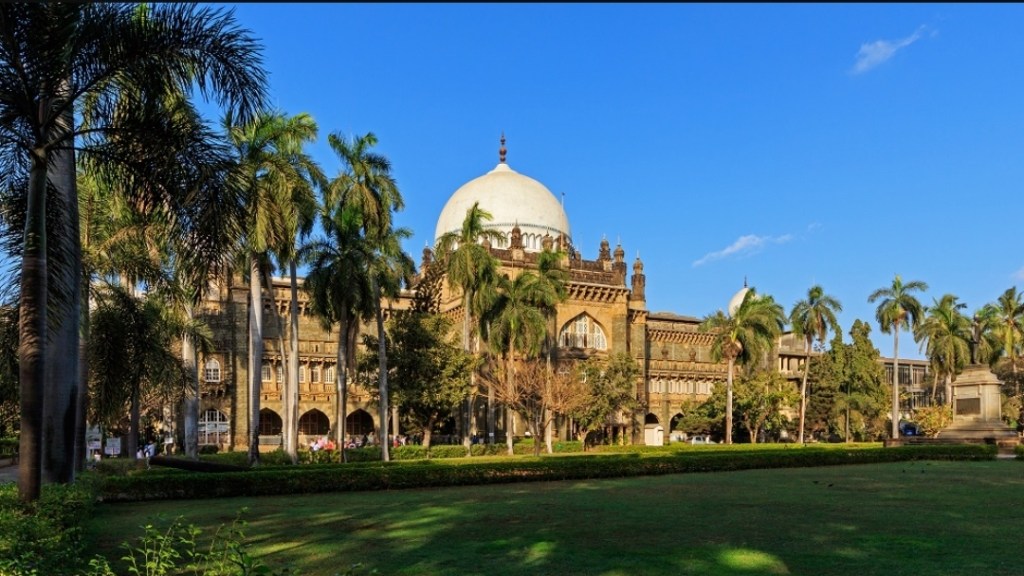
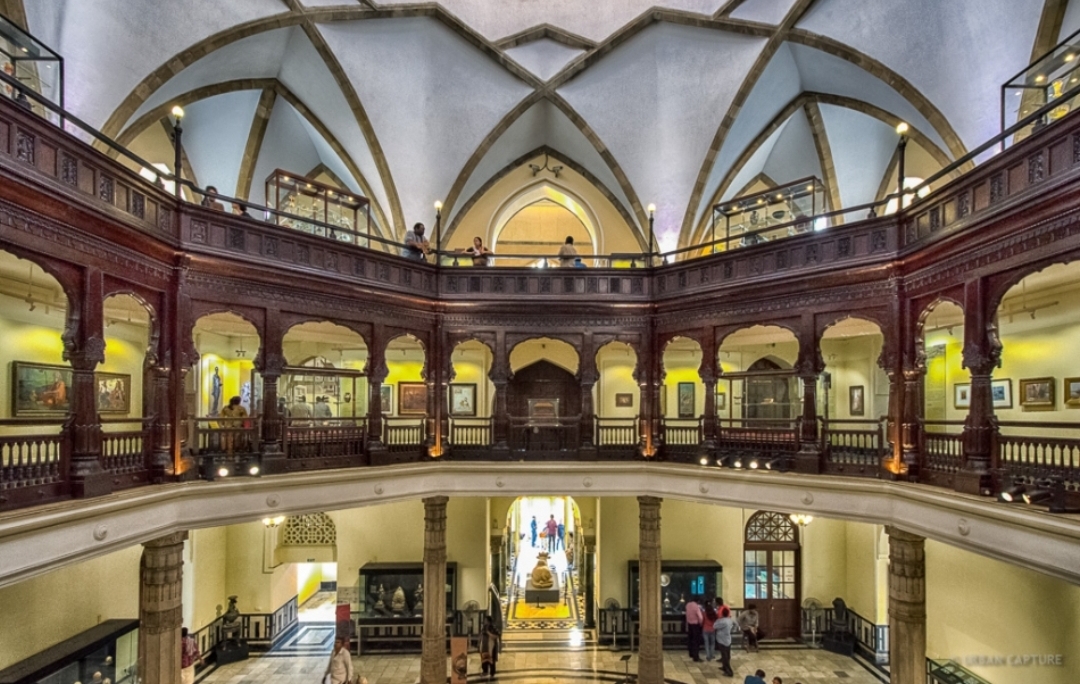
January 10th marks the Centenary of the Chhatrapati Shivaji Maharaj Vastu Sangrahalay, formerly known as the Prince of Wales Museum in Mumbai.

This city landmark, which ranks as one of the finest museums in the country, documents the history of India from pre-historic to modern times.

It was founded in the early years of 20th century by prominent citizens of Mumbai (then Bombay), with the help of the then Government of the Bombay Presidency.

It was Sir Pherozeshah Mehta, Sir Ibrahim Rahimtulla and Sir Vithaldas Thackersay who understood the need for a cultural institution in Mumbai to not only showcase, but also educate people about India’s rich cultural heritage.

The Museum building was designed and built by the Scottish architect George Wittet in the Indo- Saracenic style, incorporating elements of other styles of architecture like the Mughal, Maratha and Jain.

The building was completed in 1915, but was used as a war hospital during the First World War (1914) and once again as a major hospital during the Spanish Flu pandemic between 1918-1920.

The Museum, which opened to public on January 10, 1922, was named after King George V,  commemorating his visit to India. It was renamed in 1998 after Chhatrapati Shivaji Maharaj, three years after Bombay, officially became Mumbai.  

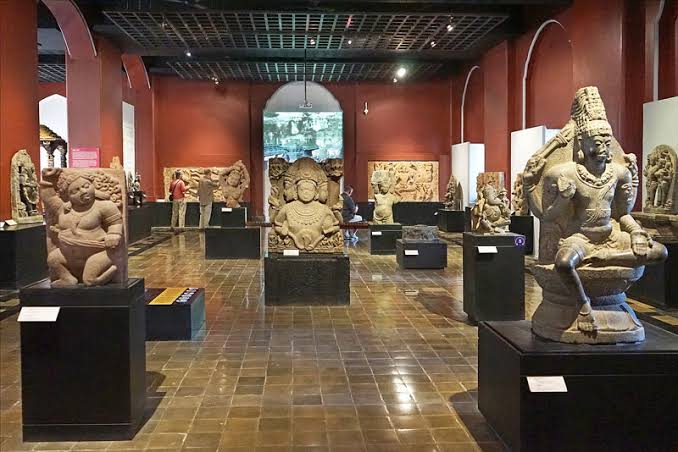
CSMVS Museum houses over 70,000 exhibits categorized into three broad sections : Art, Archaeology and Natural History. The Indus Valley Civilization artefacts, relics of Indian history from the Mauryas, Guptas, Chalukyas and Rashtrakuta period are among the major attractions. Its collection of Indian Miniature Paintings is among the best in the country.

The Museum also houses an interesting collection of Chinese and Japanese porcelain, metal and ivory objects and embroidery. The European oil paintings and Indian arms and armour also form an important part of the collection. A large number of European and East Asian art are gifted by generous donors like Sir Ratanji Tata and Sir Dorabji Tata,

In these 100 years, it is fair to say that the Museum has fulfilled its objective of educating people about our heritage through its acquisitions, display and by providing an overall visitor-friendly experience. The audio guide is particularly useful in knowing details of the displays.

Functioning under the able leadership of Director General Sabyasachi Mukherjee, this museum has become one of the most sought-after institutions for international collaborations and trend-setting projects.

During Covid pandemic, the Museum quickly adapted and went online, providing enriching exprience to its audience.

This certainly is one institution which needs to be supported whole heartedly by everyone. It is indeed, the pride of Mumbai.

Image courtesy : CSMVS

MD/BPost/VI

Jan 10 : UN Headquarters in New York

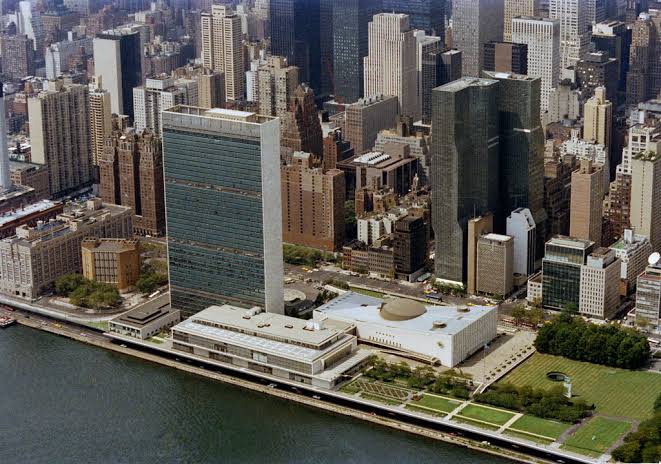
The United Nations building at Turtle Bay, Manhattan is a major landmark in the city of New York. 

This imposing complex, facing the East River has served as the official headquarters of the United Nations since its opening On This Day in 1951. Also on the 10th January in 1946, the first General Assembly session of the UN was held in London.

The complex was designed by a Board of International Architects led by Wallace Harrison and built by Harrison & Abramovitz. French architect Le Corbusier, who designed Chandigarh city was also part of the Board.

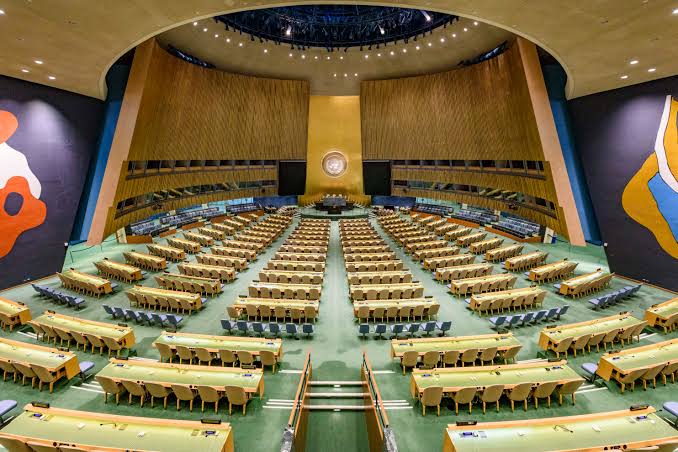
The UN Headquarters complex comprises the multi-storey Secretariat Building, the General Assembly Building, the Conference Building and the Dag Hammarskjold Library.

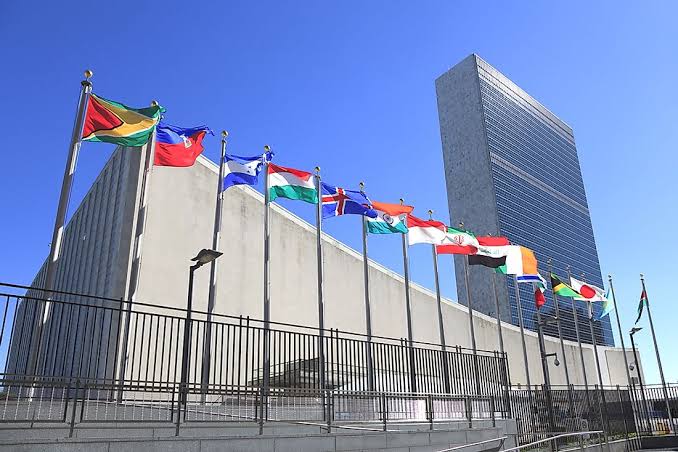
196 flags fly outside the UN Headquarters, comprising flags of each member nation and the flag of the United Nations itself. The flags are arranged in alphabetical order of countries by their names in English, from north to south.

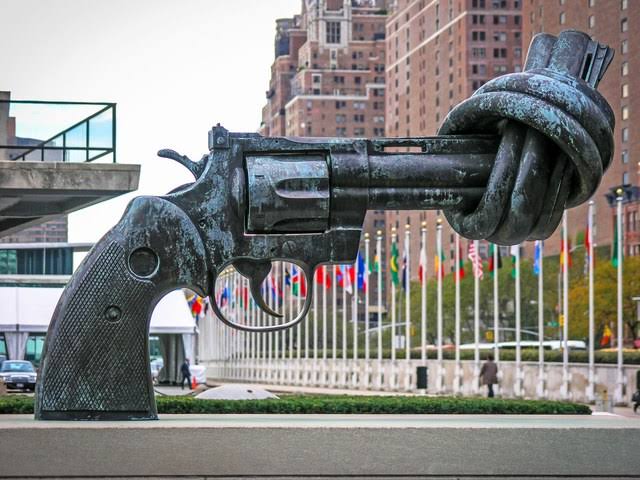
The Japanese Peace Bell and the Knotted Gun Non-violence Sculptute by Swedish artist Carl Reutersward are among the prominent art objects in the complex. A piece of the Berlin Wall is also placed in the UN Garden.

Although the headquarter complex is in the New York City, the land occupied by the UN Headquarters is under the sole administration of the United Nations and not the US government. Hence, technically it is the extra-territorial space within the city.

While the presence of the UN Headquarters has catapulted New York as the seat of international diplomacy, nearly two-thirds of the New Yorkers favour shifting of the UN Seat out of their city.

The relocation proposal has both supporters and opposers, with Russia and Iran being most vocal about relocation. Montreal, Dubai, Nairobi are some of the candidate cities, even as Geneva, the original home of the League of Nations, can also not be overlooked.

MD/Post/V

Jan 9 : Pravasi Bharatiya Divas.

Pravasi Bharatiya Divas is celebrated on 9th January every year to mark the contribution of Overseas Indian community in the development of India. It also aims to strengthen the engagement of the Indian diaspora with the Government of India and reconnect them with their roots.

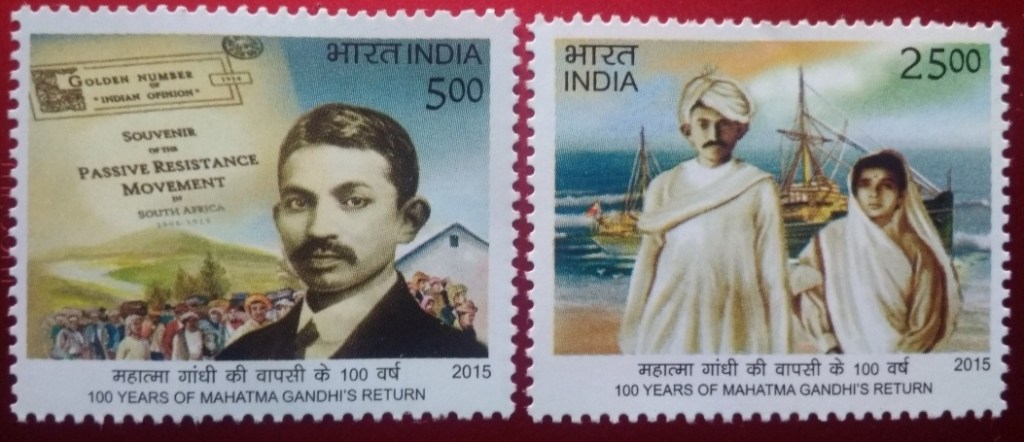
January 9 was chosen as the day to celebrate this occasion since it was on this day in 1915 that Mahatma Gandhi, returned to India from South Africa, led India’s freedom struggle and changed the lives of Indians forever.

Pravasi Bharatiya Divas Conventions are being held every year since 2003. Since 2015, its format has been changed to celebrate the Pravasi Bharatiya Divas once every two years and to hold theme-based PBD Conferences during the intermittent years.

These conventions provide a platform for the overseas Indian community to engage with the government and people of the land of their ancestors for mutually beneficial activities.

Pravasi Bharatiya Samman awards are presented to recognize the contribution of meritorius Non Resident Indians and People of Indian Origin.

PBD Convention 2021 was held in virtual mode due to international travel restrictions on account of Covid 19 pandemic.

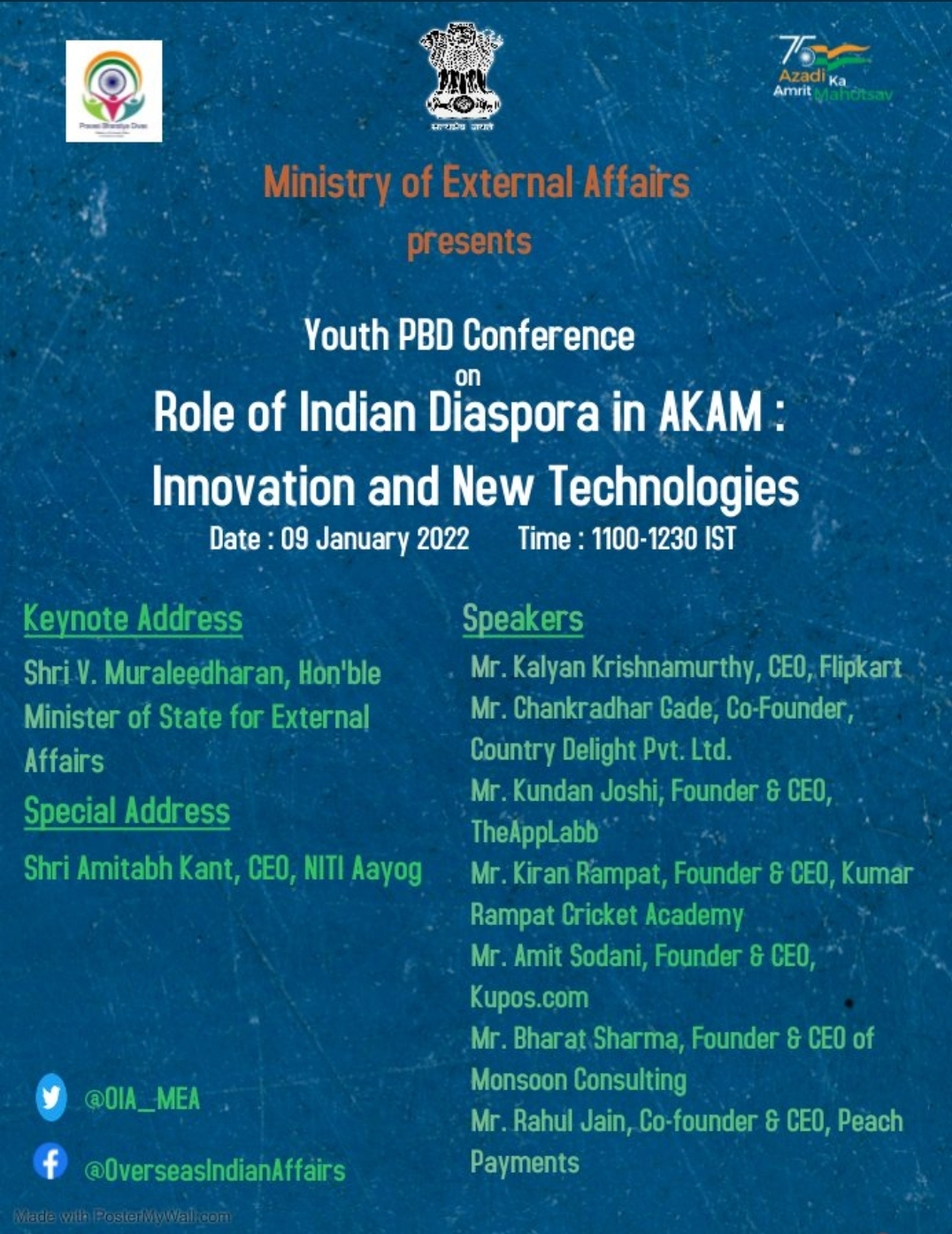
On the occasion of 2022 Pravasi Bhartiya Divas, Union Minister of State for External Affairs V. Muraleedharan will speak at a virtual Youth PBD Conference on the “Role of Indian Diaspora in  Innovation and New Technology.”

There are 32 million people of Indian origin, constituting world’s largest overseas diaspora.

People of Indian origin make up majority in Mauritius at 65% of the total population. UAE (42%), Qatar (40%), Guyana (40%) Trinidad & Tobago (35%), Fiji (34%), Saudi Arabia (23%) and Kuwait (22%) are other countries having sizeable Indian origin people.

Numerically the United States has the highest number of people of Indian Origin at 4.4 mn, followed by UAE 3.4 mn, Malaysia 3.0 mn, Saudi Arabia 2.6 mn and Myanmar 2.0 mn. UK, Canada, Sri Lanka, South Africa and Kuwait each have million plus Indian diaspora.

MD/Post/004

Jan 8 : Birth of the African National Congress.

 The African National Congress (ANC) Foundation Day is celebrated every year on 8th January.
 
It is a day to remember African people’s struggle for freedom, who fought against the British and Boer colonisers. Till date, the ANC has maintained the spirit of resistance alive.
 
ANC was founded on 8th January 1912 by John Langalibalele Dube in Bloemfontein as the South African Native National Congress.  
 
Its primary objective was to bring all Africans together as one people, to stand for their rights and freedoms. This included giving full voting rights to Black South Africans and mixed-race South Africans and, to end the apartheid system of racial separation and discrimination introduced by the National Party government after their rise to power in 1948.
 
ANC initially attempted to use non-violent protests to end apartheid; however, the Sharpeville massacre on 21st March 1960, where 69 black South Africans were shot and killed by police and hundereds injured during a protest, led to worsening ties with the White minority government.
 
The ANC was banned from 1960 to 1990 by the White South African government.  Denied legal avenues for political change, the ANC began to organize outside of South Africa for   guerilla warfare. 
 
In 1961 ANC military organization,  
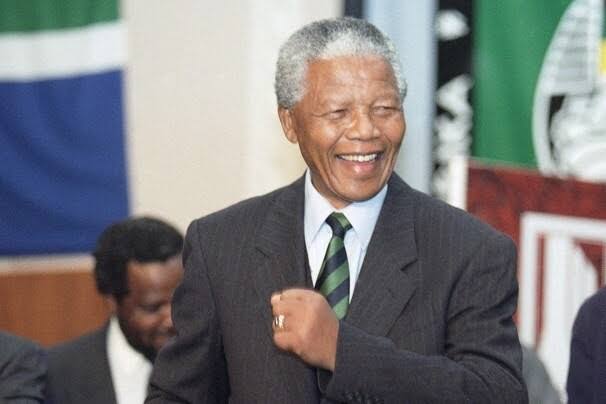
“Spear of the Nation”, with Nelson Mandela as its head, was formed to carry out acts of sabotage as part of its campaign against apartheid. 

ANC’s armed struggle achieved little success owing to strict internal security measures of the White South African Government. Mandela and other ANC leaders were sentenced to life imprisonment in 1964 following the Rivonia Trial. 

In 1990, The administration of F W De Klerk lifted the ban on the ANC and its leaders were released from prison or allowed to return to South Africa and conduct peaceful political activities.
 
On 17 March 1992, a referendum on the continuation of apartheid was held, but only White South Africans were allowed to vote. However, the majority of the electorate voted to scrap apartheid.  Mandela led the ANC in negotiations with the government over transition to a government elected by universal suffrage.
 
In April 1994, ANC swept to power, winning more than 60 percent of the vote for seats in the new National Assembly.

ANC has won every elections since then, albeit with reducing majority.  Nelson Mandela,  Thabo Mbeki,  Jacob Zuma and current incumbant Cyrill Ramaphosa have served as Presidents of South Africa under the new constitution.

Jan 7 : Machine Translation.

▪︎January 7th marks the anniversary of the Georgetown- IBM Experiment, demonstrating the potential of machine translation.

▪︎ Developed jointly by the Georgetown University, Washington D.C and IBM in 1954, the experiment involved completely automatic translation of more than 60 Russian sentences into English.

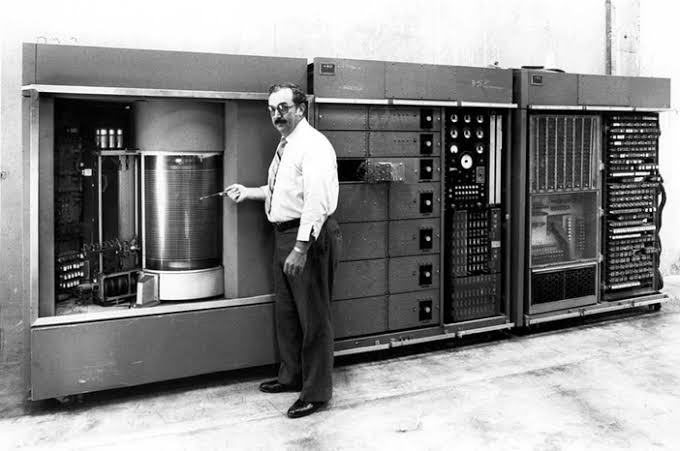
▪︎ The translation was carried out using an IBM 701 Mainframe Computer and as required then, sentences were punched onto cards.

▪︎ The 1954 experiment was perceived as a success and encouraged governments to invest in the field of ‘computational linguistics’.

▪︎IBM and Georgetown University claimed that within three to five years, machine translation could well be a solved problem.

▪︎ However, the real progress came much later with further advancements in Artificial Intelligence.

▪︎ At a basic level,  machine translation performs mechanical substitution of words in one language for words in another, but that alone rarely produces a good translation.

▪︎ The problem arises because not all words in one language have equivalent words in another language, and many words have more than one meaning.

▪︎ There are more than 7,000 languages,  and each has its own quirks. Every culture has its own sayings that only make sense when explained in right context.

▪︎ Nevertheless the quality of machine translation has substantially improved, and many fully automated systems are now capable of producing reasonably acceptable output.

▪︎ Unless artificial intelligence progresses at lightning speed in the next decade, it’s unlikely that machine translation software will ever be able to match well nuanced human translation.