About 5 kms west of the Rajiv Gandhi International Airport in Hyderabad is the unique ancient temple dedicated to Lord Rama. The Ammapalli Sita Ramachandraswamy temple is one of those rare Rama temples without the idol of Hanuman kneeling down in payer.
Though there are no inscriptions about this temple, it is said to have been built around 13th century by the Eastern Chalukya Kings who ruled the region between rivers Godavari and Krishna with Vengi as their capital. While the temple is nearly 800 years old, the idol is said to be over 1,000 years old.
The three idols of Rama, Sita and Lakshmana, about 4 feet tall, have a Makaratorana arch, all carved out of a single piece of rock. Furthermore, the Makarathorana sports small idols which are representative of Lord Vishnu’s 10 incarnations. Lord Rama being one of them.
The idol of the temple is that of Kodandarama, where Rama is seen holding the arrow in his right hand and a bow in the left. There are very few Kodandarama temples as they are built only in places where Lord Rama travelled or stayed during his 14 years of exile, as narrated in the Aranyakand of Ramayana.
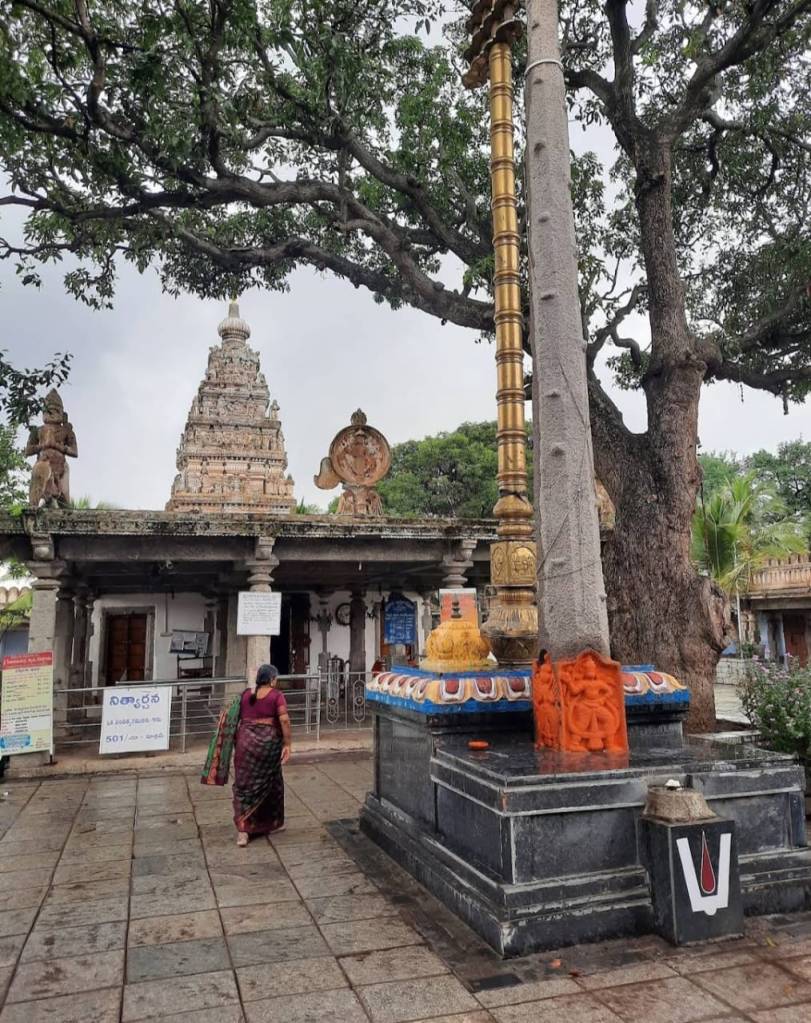
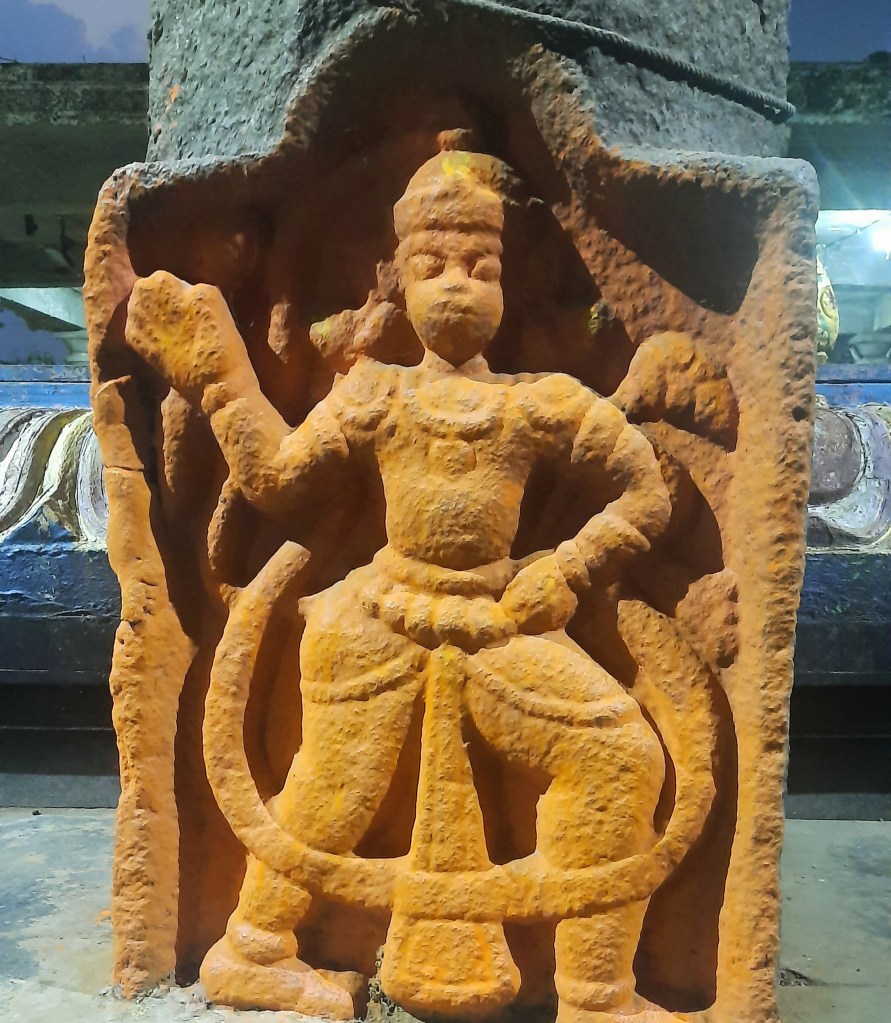
Since Lord Rama and Lakshmana met Hanuman at Kishkinda (identified to be near present day Hampi) towards the end of their exile period, Hanuman is not part of the sanctum sanctorum. Instead the idol of Hanuman is outside the temple near the Dhwaja Stambh.
The gopuram inside the temple portrays multiple tales from Indian mythology including Venkateswara Kalyan, Gajendra Moksha , churning of the ocean etc.
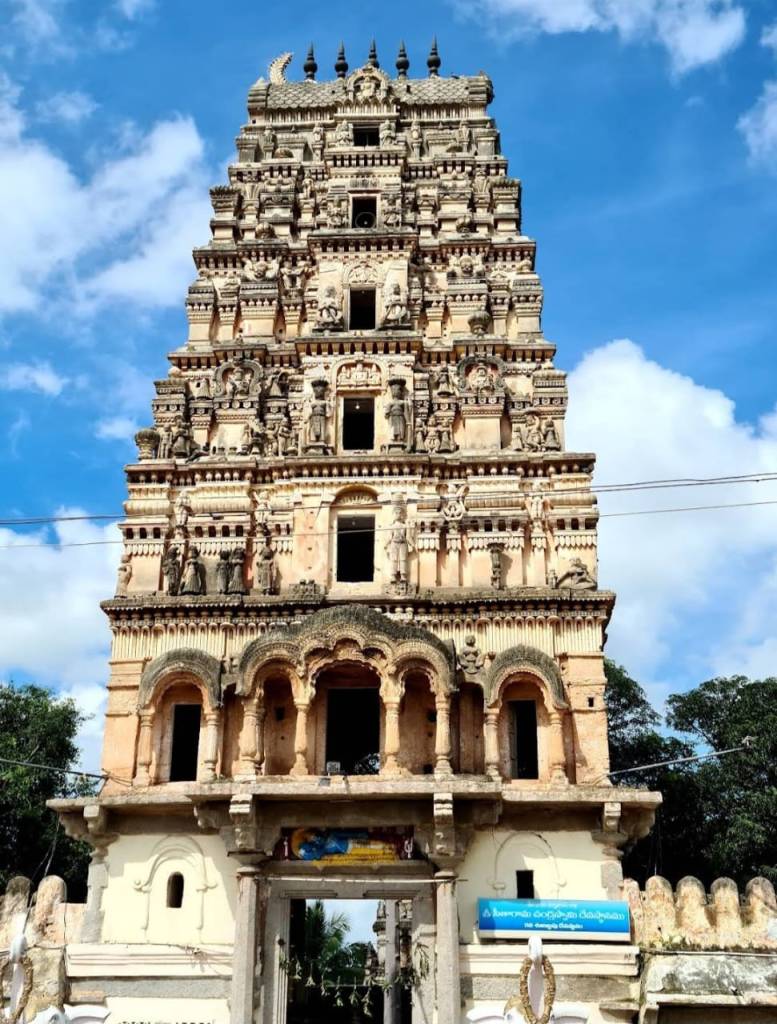
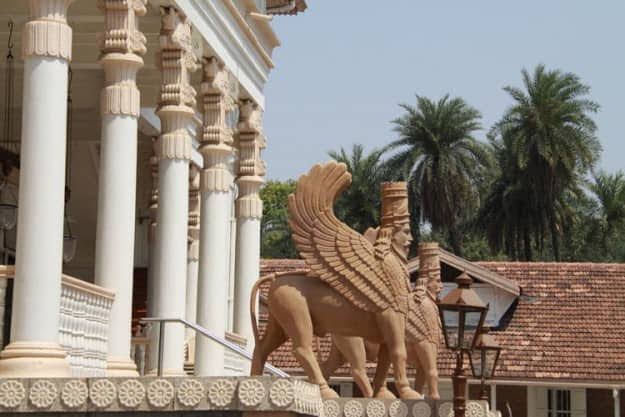
The next significant attraction is the 90 feet tall 7 storeyed Gopuram at the temple entrance which is a blend of South Indian and North Indian architectural styles . The Rajasthani style Jharokas immediately capture one’s attention. Of course the Gopuram is a later addition to the temple complex, built some time during the 17th century. The temple walls bear the stamp of Kakatiya architecture.
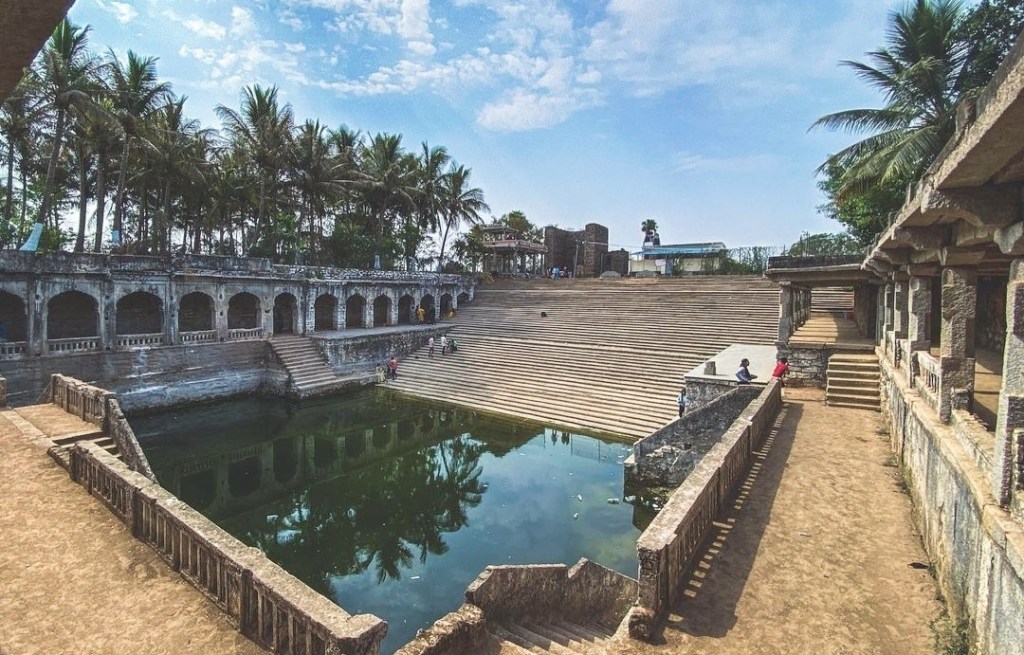
A large step well near the temple is another attraction. While across the road, spectacularly colourful large Hanuman Murthi has been built.
Ammapalli Temple has featured in over 300 Telugu movies and serials, earning it a sobriquet ‘Cinema Temple’. There is a belief that a film which includes some portion of it shot at this temple, never crashes in the Box Office. I could not independently verify whether film shooting is still permitted, but nevertheless this serene surrounding is very popular for photo shoots.
PS : ( The Gopuram at the temple entrance is presently under covers for repairs.)
Every year, World Book Day is celebrated on April 23rd to promote the habit of reading books. It is dedicated to all the book lovers across the world.
Storytelling is an incredibly effective tool when it comes to educating younger generations. Spending just 10 minutes a day reading and sharing stories with children can make a crucial difference to their future success. Books have long helped us conjure up worlds, both real and imagined.They help us share ideas, obtain information, and inspire admiration for different cultures.
UNESCO chose this date to pay a world-wide tribute to the authors and books, as 23rd April happens to be the death anniversary of William Shakespeare. The day also marks the departure of the influential Spanish poet Inca Garcilaso de la Vega and author Miguel de Cervantes of ‘Don Quixote’ fame.
The original idea of celebrating Book Day was conceived way back in 1922 in Spain, where it was quite popular, especially in the Catalonia region. UNESCO made it a world wide affair by celebrating the First World Book Day on 23rd April 1995.
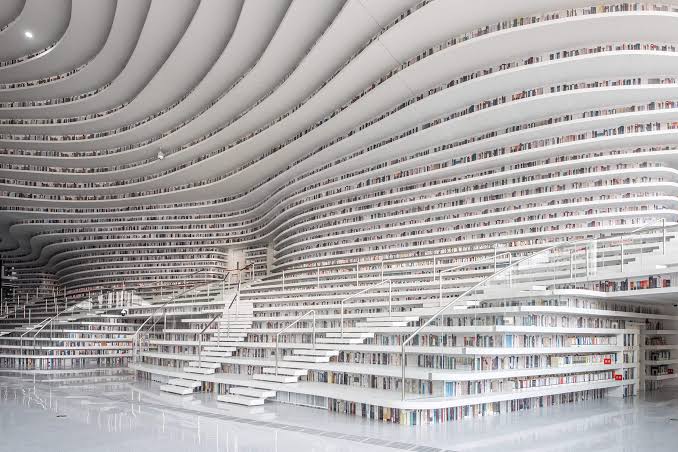
Modernistic Tianjin Binhai Library
Several educational institutions and leading libraries of the world join the World Book Day Celebration by observing many creative events. During the two years of Covid 19 pandemic, most events had moved to the online platform. But 2022 is witnessing some kind of revival of old ways of celebrating the day.
World Book Capital On this occasion, UNESCO along with international organizations representing publishers, booksellers and libraries, select the World Book Capital for a year.
In 2022, the Mexican city of Guadalajara is taking up the mantle of World Book Capital, with a year-long programme that focuses on the role of books and reading in triggering social change, combating violence, and building a culture of peace.
Madrid, the capital of Spain was designated as the first World Book Capital in 2001. New Delhi, which is home to the largest number of publishers in India, had held this honour in 2003.
What can we do ? All of us can also join the World Book Day celebration by choosing any easy to do activity like beginning to read a new book, buy or order online a new book of your choice, gift books to your friends, donate books to a neighbourhood library, read stories to young children at home and many more.
Reading or Listening ! Audio books are now becoming popular, especially with the younger generation. Although the World Book Day intends to promote the habit of ‘reading books’, I do not see any dichotomy in ‘listening to books’, as long as those books serve their purpose of educating us to become better human beings.
What do you think about audio books ? Do let me know !
Navroz or Nowruz is a Persian New Year that marks the beginning of spring in the Northern Hemisphere. It is the day of the Vernal Equinox (March 21) when day and night are of approximately equal duration.
Although Nowruz has Zoroastrian origins, it has been celebrated by people from diverse ethno-linguistic communities in West Asia, India, Central Asia and the Caucasus regions.
Despite its popularity around the world, there is disagreement about the correct spelling of the word. It is written differently as Nowruz, Newroz or Navroz, as it is popularly known in India.
For a period of two weeks following Navroz – there are a variety of rituals, ceremonies and other cultural events. Iran declares a fortnight long vacation for schools and colleges on the occasion of Navroz.
The origin of Navroz celebrations have been mentioned in various historical accounts. According to one historic account, when Jamshed became the king of Iran, he called the day Navroz. Since then the day has been celebrated as a new year. It is also sometimes called Jamshedi Navroz.
To welcome Navroz, homes are thoroughly cleaned and all broken items are repaired or replaced.
An important tradition practiced during the occasion is the gathering around ‘the Table’ . This table is decorated in the households with seven items that begin with the Persian letter ‘sin’ or “S”.
The decoration is called ‘Haft Sin’ and consists of the following items: Sabzeh (wheat sprouts) that represent rebirth; Seeb (apple) that represents health and beauty; Seer (garlic) that represents medicine; Serkeh (vinegar) that represents age and patience; Senjed (Dried fruit) symbolises love; Samanu (sweet pudding) that represents fertility; Sumaq or sumac (berries) that represents prosperity and colour of sunrise.
Novroz also means a lot of family feasting. In India, the Parsi community celebrates Navroz with full fervor. Parsis visit the Agiary or the Fire Temple where special prayers are offered. They also prepare festive delicacies and celebrate the day with friends and families.
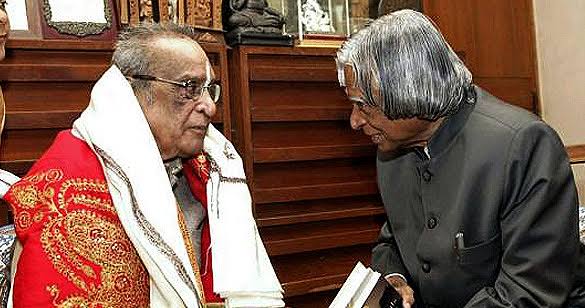
It was early November of 2008. Diwali had been celebrated in the last week of October. But the festivities returned once again at Pune’s Lakshmi Park Colony with rangolis and floral decorations adorning the road leading to ‘Kalashree’ the residence of Pandit Bhimsen Joshi, the doyen of Hindustani Classical Music.
The rangolis were drawn by a civil society organization Vidhayak and had inscriptions ‘Mile Sur Hamara Tumhara’. This was the way music lovers of Pune greeted, when an announcement was made by the Rashtrapati Bhawan, about Pandit Bhimsen Joshi being conferred the ‘Bharat Ratna’ – the highest civilian award in the country.
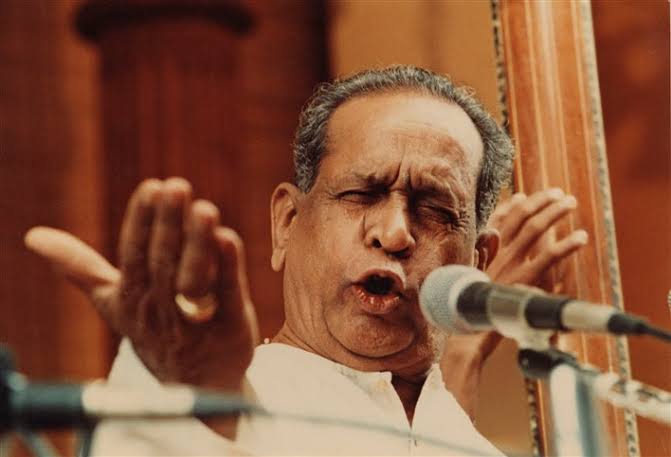
Today, 4th February marks the birth centenary of the legendary artiste, an exponent of the Kirana Gharana, who was known for his mellifluous voice, dazzling taans and an incredible breath control.
Noted philosopher, Jiddu Krishnamurthy had once remarked “love is a like a river, endlessly moving on, ever seeking, exploring and pushing”. Similarly Bhimsen Joshi’s music was also like a river, ever exploring, ever inventing, to a create a unique vocal idiom.
Born in a conservative family of a school teacher at Ron near Gadag town of the erstwhile Dharwad district in Karnataka in 1922, Bhimsen Joshi was the eldest among 16 siblings. He showed inclination towards music early in his childhood, often wandering around following processions with music bands.
According to the family folklore, Bhimsen would often be seen standing in front of a music shop in the main street of Gadag, listening to ‘Fagwa Brij Dekhan Ko’, a Raag Basant composition rendered by Ustad Abdul Karim Khan, the founder of the Kirana Gharana.
Dharwad was then part of the Bombay State and the prevalent form of music was Hindustani. Bhimsen Joshi was fascinated by the Khayal form of singing. In those days, Khayal was principally taught in the Guru-Shishya Parampara.
In 1933, the 11 year old Bhimsen left home on his own in search of a Guru. Travelling ticketless through Bijapur, Pune etc, he reached Gwalior and joined the Madhav Sangeet Vidyalaya.
For a brief period, Bhimsen Joshi was the disciple of Ustad Hafiz Ali Khan, the most prized musician of Gwalior and father of Ustad Amjad Ali Khan, who taught him rudiments of Raag Puriya and Raag Marwa.
Bhimsen Joshi spent the next three years in Lucknow, Rampur, Jalandhar and Calcutta (now Kolkata).
Ultimately, his father Gururajrao Joshi succeeded in tracking him down and brought young Bhimsen back home.
In 1936, Rambhau Kundgolkar, better known as Sawai Gandharva, agreed to take Bhimsen Joshi as his disciple and imparted rigorous music training for four years.
The Guru taught him the nuances of Khayal Gayaki and the Shishya perfected the patterns of Raag Multani and Raag Todi, while performing errands at his Master’s house.
At the age of 20, Bhimsen Joshi released his first album, which was a collection of devotional songs in Hindi and Kannada.
His first live performance was held in Pune, at a concert to mark the Shashtabdipoorti (60 years) of his Guru Sawai Gandharva. He never looked back since then.
Making Pune his Karmabhoomi, he composed music for several Marathi plays during 1960s. His bhajans, especially the ‘Santawani’ program comprising abhangs of saints Dnyaneshwar, Tukaram and Namdev, became immensely popular.
Kannada audience got the taste of Joshi’s talent, when he rendered Jnanpeeth Awardee D.R.Bendre’s ‘Uttara Dhruva Dim, Dakshina Dhruva Ku’ for HMV. His rendition of Purandara Dasa’s ‘Bhagyada Lakshmi Baaramma’ – invoking Goddess Lakshmi, is still among the most favourite devotional songs in Kannada.
He bought a huge car to travel around. Bombay to Belgaum to Solapur to Hyderabad to Nagpur, the journeys continued unending.
The spread of his fame and popularity beyond the boundaries of Karnataka and Maharashtra, soon brought him invitations from far off places. He soon realized the car had its limitations – it moved in a vilambit taal.
So Panditji switched to air travel, to which his friends remarked “the disciple of Sawai Gandharva has become ‘Hawai’ Gandharva”.
Joshi toured Afghanistan, Italy, France, Canada and the USA and held immensely popular music concerts.
Dutch filmmaker M Louis made bio-pic on Bhimsen Joshi and showed it to the Western world.
Bhimsen Joshi’s rendition of ‘Mile Sur Mera Tumhara’ along with other doyens of Indian music, virtually became the unofficial anthem in the late 1980s, capturing the hearts of millions of Indians.
For over four decades, Bhimsen Joshi led the renaissance of Indian Classical music with passion and power. His seemingly effortless performances often hid hours of relentless riyaz.
Panditji had once remarked “an unsympathetic teacher and rigorous riyaz with a bit of luck thrown in makes anyone a good singer”. Fortunately or unfortunately, Joshi had all three of them.
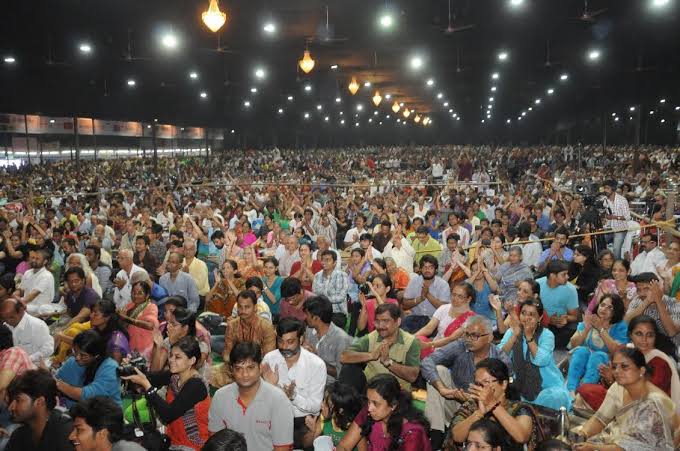
But his gratitude to his Gurus always remained rock solid as evidenced by the immensely popular Sawai Gandharva Mahotsav he started in Pune. This music festival has become a kind of annual pilgrimage for Hindustani Classical music lovers all over the world.
With achievements so tall, honours and awards came his way. Padma Shri in 1972, Sangeet Natak Akademi Award in 1975, Padma Bhushan in 1985, Padma Vibhushan (1999), Tansen Samman in 2002 and the Bharat Ratna in 2007-08.
The state Governments of Maharashtra and Karnataka honoured him with Maharashtra Bhushan in 2002 and Karnataka Ratna in 2005 respectively.
The Akashvani Sangeet Sammelan is now named after him.
In his life time, Bhimsen Joshi took the Kirana Gharan to new heights. The Swarbhaskar is no more, but his voice will always be with us.
(This is an updated version of my 2008 article, written when the Bharat Ratna award was announced. – Manish Desai).
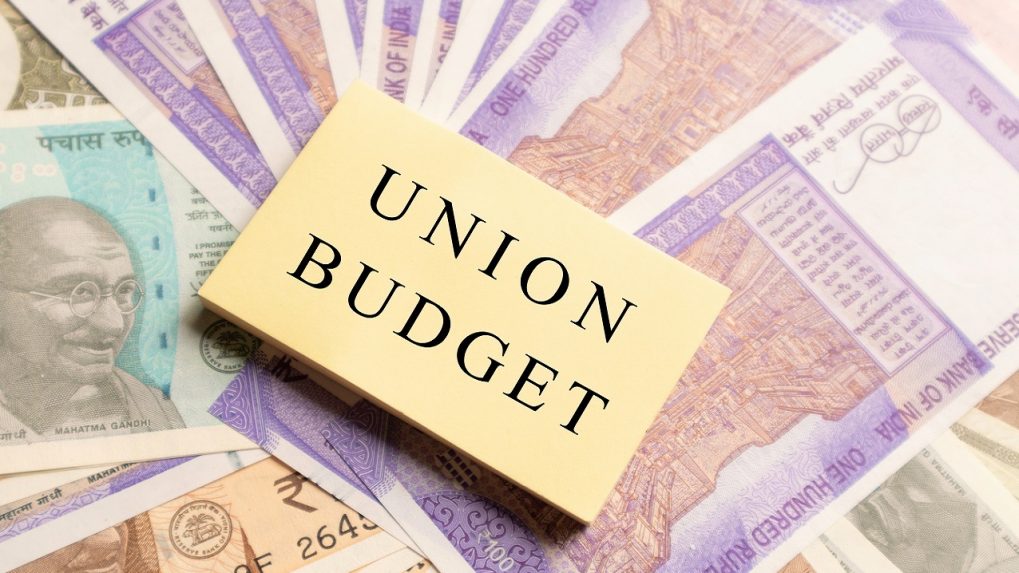
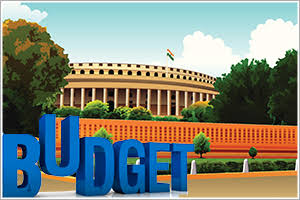
Finance Minister Ms. Nirmala Sitharaman will present the Union Budget for FY 2022-23 in Parliament today. It will be her straight fourth budget.
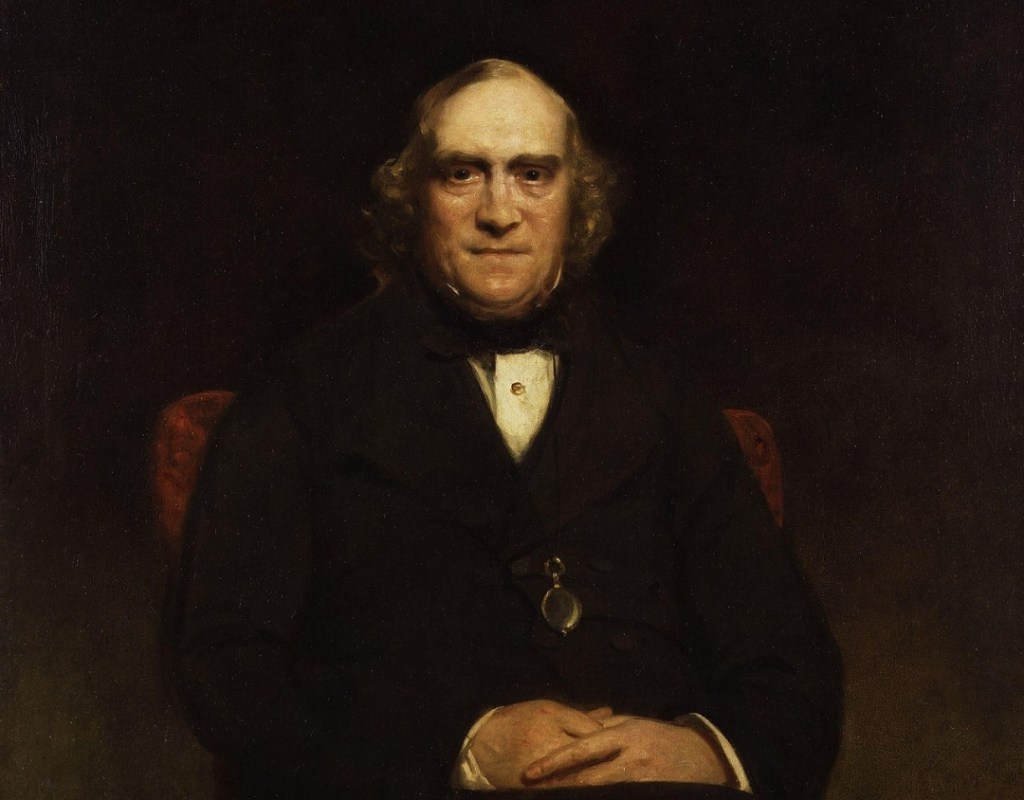
The practice of presenting budget for India began way back in 1860, when Scottish businessman, economist and politician James Wilson, then the Finance Member of the Viceroy’s Executive Council presented the first budget of India to the British Crown.
James Wilson, better known at that time as the founder of the The Economist news magazine, was sent to India to find solution to India’s financial crisis in the aftermath of the 1857 First War of Independence.
Although, his budget did not win any universal praise, he did lay the groundwork for government accounting system, establishment of pay office, audit structure etc, upon which several economic institutions in India are still functioning.
Post Independence
The first budget of Independent India was presented on November 26, 1947 by the then Finance Minister R K Shanmukham Chetty. It was a budget meant for a seven month period, entailing a total expenditure of Rs 197.39 crores.
C D Deshmukh, who was the Finance Minister during 1950-56 is credited with giving a definitive shape to the Union Budget as an important fiscal policy instrument.
Former Prime Minister Morarji Desai holds the record of presenting the most number of budgets in the history of the country. He had presented 10 budgets, including two interim budgets during his stint as Finance Minister between 1962 -69.
Till now three Prime Ministers have presented the Union Budget. Jawaharlal Nehru in 1958, Indira Gandhi in 1970 and Rajiv Gandhi in 1987, presented the Union Budgets, as their respective Finance Ministers – T T Krishnamachari, Morarji Desai and V P Singh had quit owing to some reason or the other.
Some of the budgets over the years have come to be regarded as landmark budgets.
V P Singh’s 1986-87 budget, which introduced the Modified Value Added Tax (MODVAT), Dr. Manmohan Singh’s 1991-92 budget which ended the license raj and heralded the era of liberalization, P Chidambaram’s 1997-98 Budget which attempted bold reduction of direct and indirect taxes and Yashwant Sinha’s Millennium Budget, which laid the road map for India’s IT industry’s growth and Ms. Nirmala Sitharaman’s previous year’s budget for its infrastructure push are counted among iconic Union Budgets of India.
Break from the past
Over the years, several changes have also taken place in relation to the presentation of the Union Budget. Since colonial days, the Union Budget was presented on the last working day of February at 5 p.m., a time that suited London, more than India. Yashwant Sinha changed the time of the budget presentation to 11 a.m. in 1999.
Arun Jaitley in 2017, moved the date of budget presentation to the 1st of February, instead of the last day of the month. 2017 was also the year, when the Railway Budget, which was presented separately till then, was merged into the Union Budget.
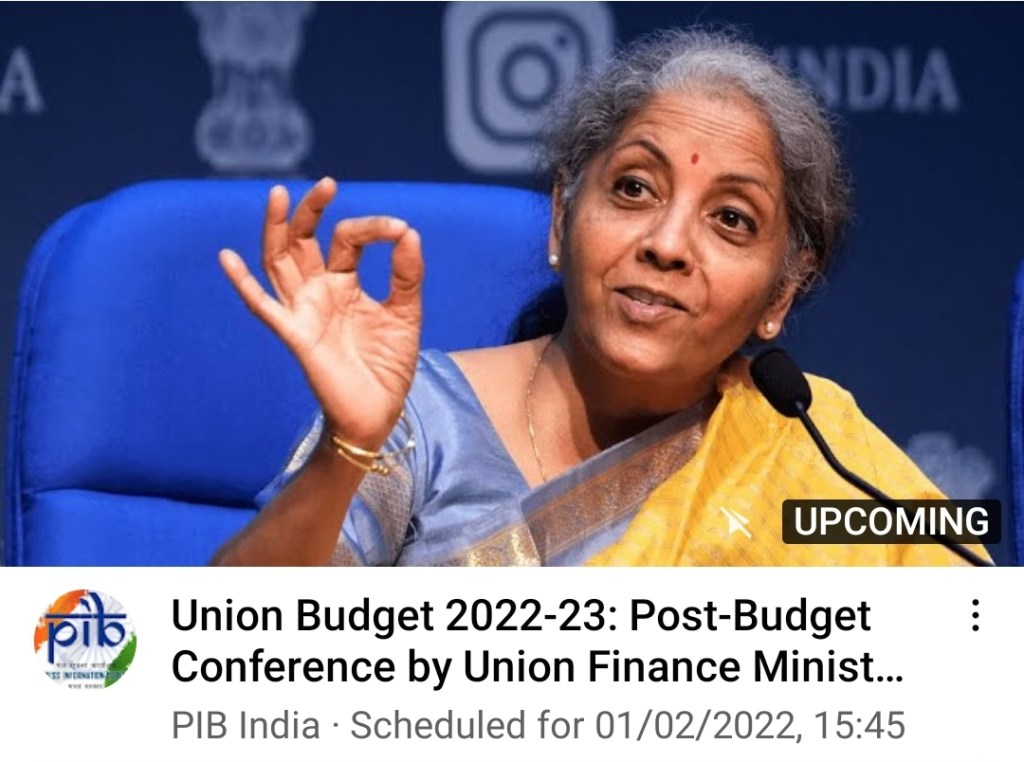
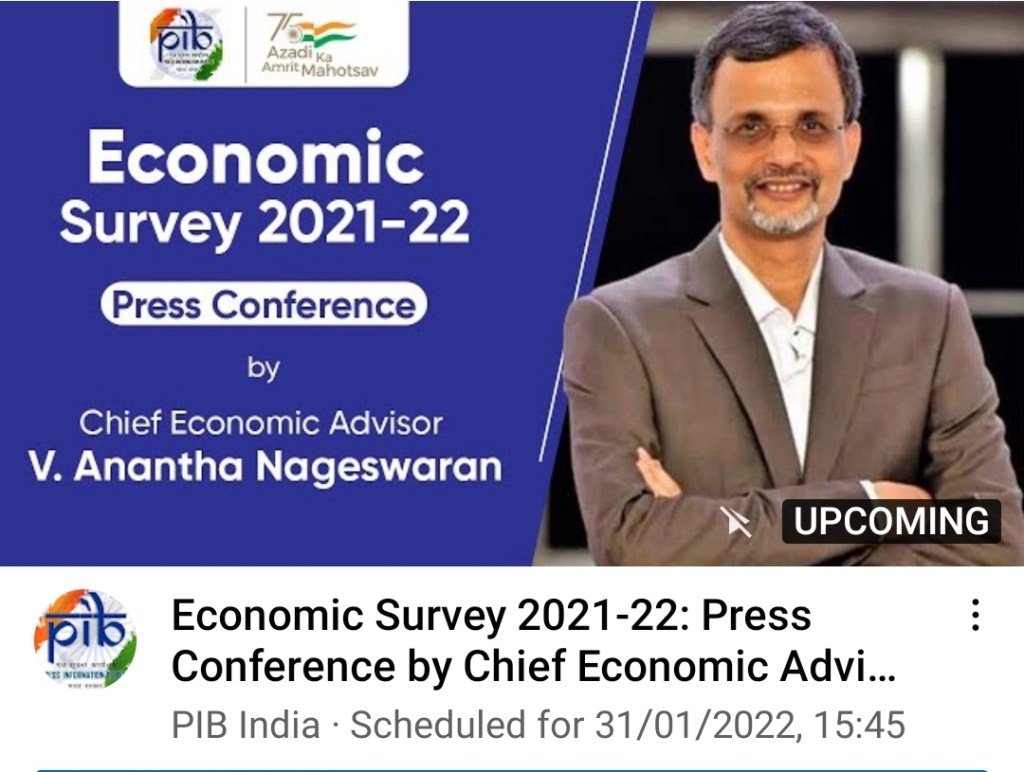
The presentation of the Union Budget at 11 a.m. today and the Finance Minister’s Post-Budget Press Conference at 3.45 p.m. will be live streamed on PIB India YouTube channel. Do log in to know what’s in store.
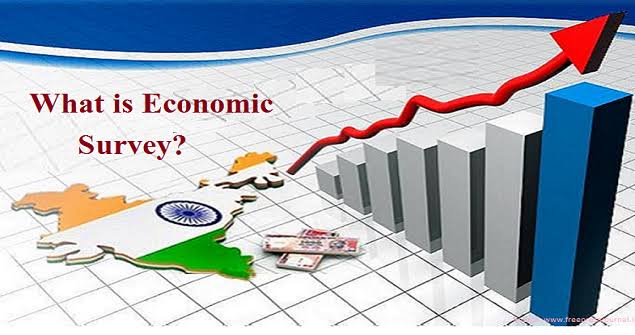
The presentation of the Economic Survey has, over the years, become a much anticipated event in India.
The first Economic Survey was presented in the year 1950-51 along with the Union Budget. The survey was de-linked from the Budget in the year 1964 and circulated in advance to provide a context for the Budget.
The Economic Survey is prepared by the Department of Economic Affairs in the Ministry of Finance, usually under the overall guidance of the Chief Economic Advisor (CEA). However, this year it is different, as the new CEA K Anantha Nageswaran has taken over only three days ago, after the former CEA Krishnamurthy Subramanian demitted office in December 2021.
Over the years, the Economic Survey has become the flagship document of the Ministry of Finance. It reviews key developments in the Indian Economy over the past financial year, summarizes performance of major developmental programmes and highlights policy initiatives.
The Survey also puts out economic growth forecasts, providing detailed justification and reasons for its projections. Sometimes it also makes a case for specific reform measures.
The policy prescriptions made by the Economic Survey are however, not binding on the Government, but only act as a guiding document in framing national policies.
The Economic Survey is regarded as a goldmine of information about the economy by economists, researchers as well as journalists. In the last 5-6 years, the Economic Survey has become hugely user friendly, containing interesting graphics, colourful charts and anecdotes.
Economic Surveys have become important documents the world over, especially in the OECD developed countries. IMF and World Bank bring out regular publications on World Economic Outlook.
Within India, several State Governments have also adopted the practice of presenting Economic Surveys ahead of their state budget presentation.
The Economic Survey 2021-22 will be presented in both the Houses of Parliament today. The Chief Economic Advisor will address a press conference at 3.45 p.m. which will be live streamed on PIB India YouTube Channel.
India Post has been serving the nation since last 167 years. Established on 1st October 1854 under the name ‘Company Mail’ during the tenure of Lord Dalhousie as the Governor General of India of the East India Company, it has grown to become the most widely distributed postal system in the world.
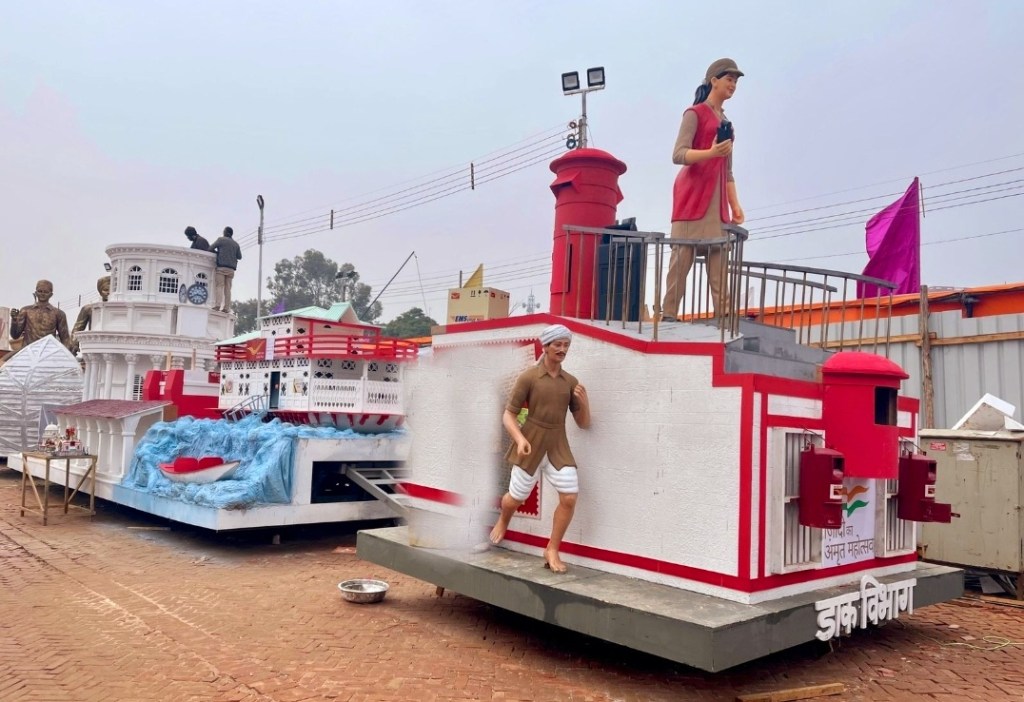
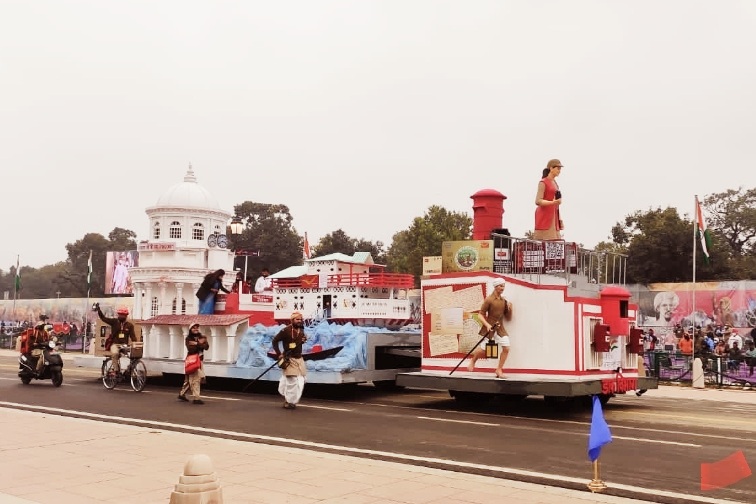
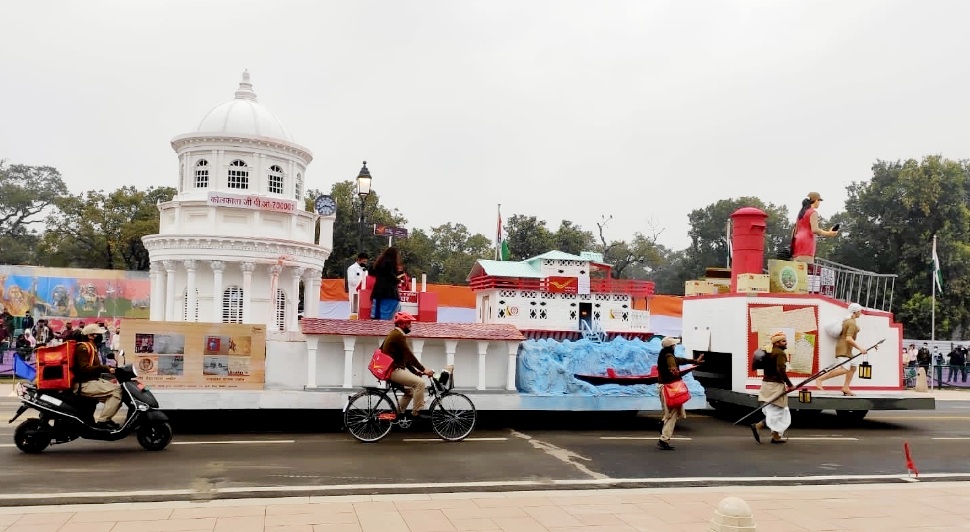
The specially designed Tableau of India Post for this year’s Republic Day Parade in New Delhi, attempts to capture its robust reach and modern face. Also being portrayed is the Department’s profound commitment towards women empowerment both within the organization and outside. Not to forget that nearly 50% of account holders of India Post Payments Bank as well as Post Office Savings Bank are women.
In the front of the two part Tableau is a young post woman with a digital device in one hand and a postman’s bag in the other, thus conveying the message of blending technology with tradition. Standing tall beside her is the ubiquitous red-letter box that reflects people’s unabated faith in India Post, over the 167 years. The image of the postwoman is juxtaposed with that of the Harkara – the Dak messenger or runner of yesteryears – on high relief projecting the transition of India Post over the decades.
Also displayed are India Post Services like speed post, e-commerce, ATM Cards etc. which are trusted by millions of customers. The ramp leading up to the Post Office can not be missed, which portrays the social commitment of India Post for the disabled.
The trailer features the Floating Post Office of Srinagar with emphasis on the ‘Sukanya Samriddhi Yojana’ a scheme under the Government of India’s ‘Beti Bachao, Beti Padhao’ campaign. The Floating Post Office of Srinagar on the Dal Lake, besides serving the customers, is an important tourist attraction, often visited by travelers, just to send a post card to their families or friends from such unique destination.
The All Women Post Office showcases India Post’s resolve and a step towards gender equality. The 3D images of the post office counters where we see women officials rendering multiple services to the customers such as Aadhar enrolment as well as Postal ATM Counters, emphasizes India Post’s resolve towards women empowerment.
At the rear is the Kolkata GPO, a proud witness to the journey of India Post and one of the iconic heritage buildings of India. Designed by Walter Grenville and built in 1868, the building at B B D Baug is well known for its imposing high dome and tall Ionic-Corinthian pillars.
The uniqueness of the tableaux lies in its foot soldiers who are real-life postmen / post women from different parts of India. They stand symbolic to the transition of India Post from the harkaras to the postmen on bicycles and now on e-bikes.
So, this Republic Day, turn on your TV and watch live the spectacular Parade, as it rolls down the Rajpath, going past the India Gate monument and beyond.
For those who miss the live telecast, needless to mention that the YouTube back up will always be there. (The Republic Day Parade will be telecast live on Doordarshan network. It will also be live streamed on PIB India YouTube channel) .
(With contributions from Swati Pandey, Post Master General, Mumbai)
The National Voters’ Day is observed in India on the 25th January every year, which happens to be the formation day of the Election Commission of India.
One of the main objectives of the Election Commission is to increase the enrolment of voters so as to make universal adult franchise a complete reality and thereby enhance the quality of Indian democracy by making it truly participative.
The tradition of observing the National Voters’ Day began in 2011, with the aim of encouraging young voters to take part in elections. It stemmed from the observation that the new voters, who had attained the age of 18, were showing less interest in getting enrolled in the electoral rolls.
Overall voters turn out for significant part of 1990s and 2000s had remained under 60% in most of the national elections. While 2004 recorded 57.98% turn out, it was 58.19% in the 2009 general elections. Voters apathy was most pronounced in urban areas, especially in the large cities and metros.
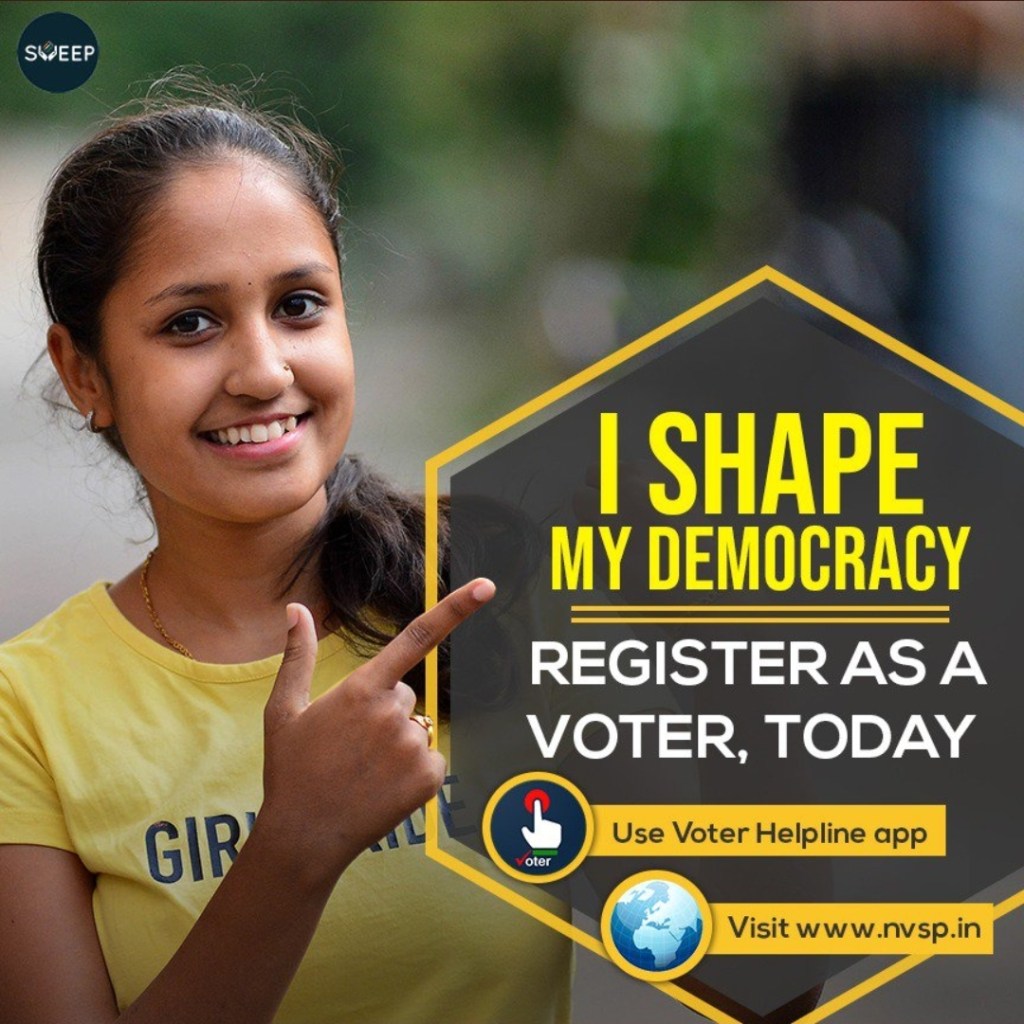
To address this issue, the Election Commission of India launched the Systematic Voters’ Education and Electoral Participation programme, better known as SVEEP. The then Director General of ECI, Akshay Rout of the Indian Information Service, laid thrust on broadbasing the SVEEP through greater synergy with Civil Society Organizations, Media as well as citizens’ associations. Going forward, exchange of best practices became another standard feature of SVEEP.
Over the years, SVEEP has not only delivered positive results but has also been a subject of study by multiple democracies from around the world.
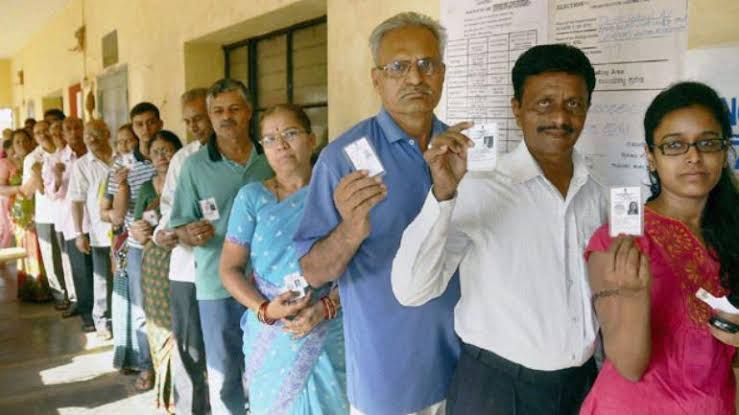
The voter turn out shot up from 58.19% in 2009 to 66.4% in 2014. The 2019 General Elections recorded the highest ever voter turn out of 67.4%.
(PC IndiaToday.in)
In the case of the world’s largest democracy, percentages do not tell the story lucidly, as do sheer numbers. While 13.6 crore (136 mn) more voters exercised their franchise in the 2014 elections, as compared to 2009, a mere 1 per cent increase in voter turnout between 2014 and 2019, translated into 6.04 crore (60.4 mn) additional voters.
It has become customary to present National Awards for Best Electoral Practices to state and district level officers for their outstanding performance in the conduct of elections in different spheres such as IT initiatives, election management, promoting accessibility, increasing voter awareness etc.
It is a matter of great honour that my organization, the Bureau of Outreach Communication (BOC) of the Ministry of Information & Broadcasting has also been chosen for the National Award for its contribution in raising voter awareness through its multi-media outreach activities. BOC’s regional outfit in Pune is similarly being honoured with a state level award.
While the National Awards will be presented in New Delhi, the main National Voters’ Day event of Maharashtra will be held in Aurangabad.
An Election Commission of India publication ‘Leap of Faith : Journey of Indian Elections’, a book that narrates India’s electoral history from the 19th century to present , will also be released today.
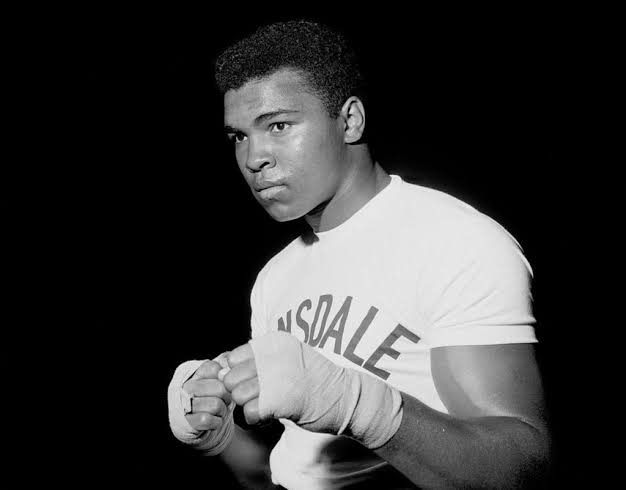
Muhammad Ali, without doubt, has been the greatest brand ambassador of Heavy Weight Boxing. Ali was the first fighter to win the World Heavyweight Championship on three separate occasions. He defended this title 19 times.
Through his boxing career he was also known for his social message of black pride and black resistance to white domination. Post retirement he attained fame through his philantropic work.
Born on January 17, 1942 as Cassius Clay at Louisville, Kentucky in the American South, he took up to training as an amateur boxer at age 12. He grew up in a family of limited means, at a time of segregated public facilities for Whites and Blacks. His father was a billboard painter, and mother a domestic help.
After advancing through amateur ranks, Clay won the Gold at the 1960 Rome Olympics, and thereafter began a professional career in Heavy Weight Boxing.
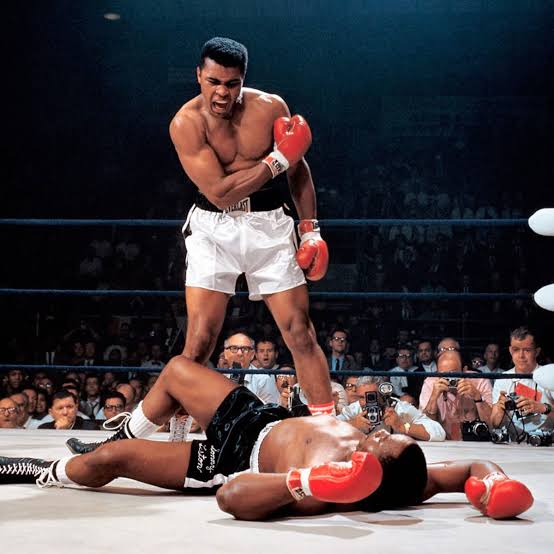
On February 25, 1964, Clay pulled out a stunning upset in sports history defeating the reigning heavyweight champion Sonny Liston, who was renowned as the most intimidating and powerful fighter of his era. Two days later, Clay announced his conversion to Islam, guided by the teachings of his spiritutal mentor Elijah Muhammad. He soon took the name Muhammad Ali, renouncing what he called his earlier ‘slave name’.
For the next three years, Ali dominated boxing as thoroughly and magnificently as any fighter ever had. In a 1965 rematch, he knocked out Liston in the first round. In his bout against Cleveland Williams in 1966, Ali landed more than 100 punches, while he was hit a total of three times.
Muhammad Ali achieved renown as a boxer through his speed, superb footwork and tremendous courage. While his boxing skills were applauded universally, many disliked his frequent bragging about his achievements.
In 1967, citing his religious beliefs, Ali refused induction into the U.S. Army at the height of the war in Vietnam. He was stripped of his championship and barred from fighting by every state athletic commission in the United States for three and a half years.
In October 1970, Ali was allowed to return to boxing, but by then his skills had eroded. His reflexes, while still superb, were no longer as fast as they had once been. He fought big names like Joe Frezier, George Foreman and Leon Sphinx with mixed outcomes.
Ali’s later years were marked by physical decline. Damage to his brain caused by blows to the head resulted in slurred speech, slowed movement, and other symptoms of Parkinson syndrome.
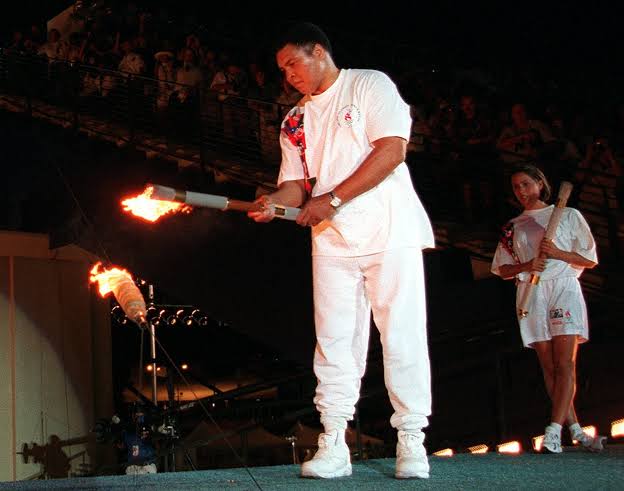
It was a moving sight to witness Muhammad Ali, arguably the swiftest boxer ever, light up the 1996 Atlanta Olympics flame with his shaking hands. That memory is still green in my head.
In 1999, he was named Sportsman of the Century by Sports Illustrated and the Sports Personality of the Century by the BBC. On June 3, 2015, Muhammad Ali breathed his last.
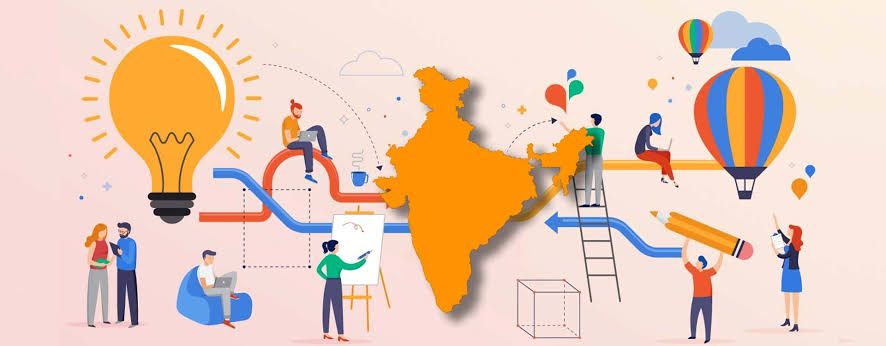
Prime Minister Narendra Modi has announced that India would observe January 16th every year as the National Start-Up Day. It was on this day in 2016, the Government of India had luanched the Start-Up India initiative, comprising a 19 point action plan for promoting and supporting entrepreneurship spirit in the country.
India’s achievements in the Start-Up field are indeed noteworthy. It has emerged as the third largest Start-Up ecosystem in the world after the US and China.
There are nearly 60,000 recognized Start-Ups in India, spread across 623 districts from 30 States and 7 Union Territories.
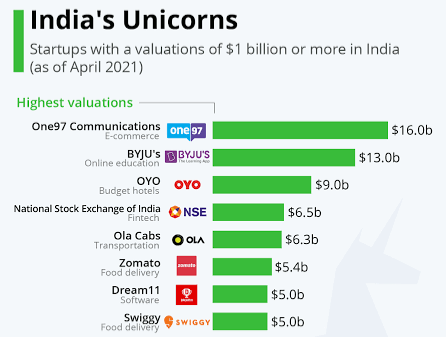
India today has 82 Unicorns – i.e. a privately owned Start-Up company valued at over US $ 1 billion – out of which 42 entered the Unicorns list in 2021 alone. India’s Unicorns are currently worth more than $168 bn.
The success of Start-Up ecosystem in India is a product of the innate entrepreneurial spirit of the Indian youth, supportive government policies as well as conducive external environment.
While the Covid 19 pandemic disrupted lives in many ways, it has also been the push that many start-ups needed to propel their businesses. The global pandemic resulted in a digital transformation and adoption of technology at a societal level.
The Chinese Government cracking down on its own technology driven companies and placing government nominees on the Boards of the Unicorns under the scanner, has prompted much of venture capital funds seeking alternative investment destination in India.
The initial focus of Start-ups in India was consumer centric such as making services like booking a cab or a hotel room more convenient and affordable. The young entrepreneurs here were merely replicating successful business models from Silicon Valley, with an Indian twist.
But in recent years, the Start-Ups in India are increasingly focusing more on B2B – Business To Business – space, which is a welcome sign. NASSCOM has identified EduTech, Logistics, Automotive, FinTech and HelathTech as some of the emerging fields where India is making a mark.
Looking ahead, Indian Start-Ups have to brace up for future challenges. The easy flow of money may not last forever. China may reverse its policy any time. The solution lies in establishing sustainable business models, which can be scaled up to benefit the economy in a real sense.
Despite the progress made, India’s Start-Up ecosystem still has miles to go before catching up with countries like USA, China and Israel, which are now reaping the dividend of the investments they made in intellectual capital, creating a knowledge based economy.
Nevertheless, the country is on the right track. Happy Start-Up Day to all the entrepreneurs of the country.





 ON THIS DAY